














Denza Z9 GT India Launch: Electric Car Battery Care Guide

In this article
The Denza Z9 GT has been unveiled in India, bringing electric performance into the spotlight with a claimed 670 km range, 1,139 hp power and a 0–100 kmph time of 2.7 seconds, according to the headline published by News24Online. While these figures attract attention, owning an electric car involves more than performance and range. Good electric car battery care, sensible charging habits and regular maintenance are essential for reliable everyday driving, especially in India's demanding weather and road conditions.
Why Electric Car Battery Care Matters in India
An EV battery is one of the most important and expensive components of an electric vehicle. Its condition influences driving range, charging behaviour and long-term ownership costs. Although modern battery management systems monitor important operating conditions, your driving and charging habits still matter.
Indian conditions create additional challenges. Summer temperatures can rise considerably, particularly when a vehicle is parked outdoors. Monsoon waterlogging, dusty roads, heavy traffic and frequent short journeys also influence how you use and maintain your vehicle.
For a premium electric car such as the Denza Z9 GT, understanding the manufacturer's battery recommendations should be part of ownership from the beginning.
Remember that a claimed driving range is not a guaranteed everyday figure. Actual range can change with driving speed, air-conditioning use, traffic, road gradients, tyre pressure, weather and vehicle load.
Best Charging Habits to Protect Your EV Battery
Charging correctly is one of the simplest ways to support battery longevity. You do not need to follow complicated routines, but you should understand the charging recommendations for your particular EV.
1. Avoid keeping the battery at extreme charge levels
For everyday driving, many EV manufacturers recommend using a moderate charging window rather than repeatedly charging to 100% or allowing the battery to become nearly empty.
However, the ideal charging limit depends on battery chemistry and manufacturer instructions. Some vehicles have different recommendations for lithium iron phosphate and nickel-based battery packs.
Follow the Denza owner's manual when its India-specific guidance becomes available. Do not automatically apply another EV manufacturer's charging settings to your vehicle.
2. Use compatible charging equipment
A home charging installation should be suitable for your vehicle, electrical supply and parking arrangement. Have the wiring, earthing, circuit protection and charger installation checked by a qualified professional.
Avoid using damaged charging cables, loose sockets or makeshift extension arrangements. A charging connector that becomes unusually hot, develops visible damage or produces an intermittent connection should be inspected before further use.
3. Plan fast charging sensibly
DC fast charging is useful during highway journeys when you need to reduce waiting time. However, frequent high-power charging can create additional thermal demands depending on the battery design and its temperature-management system.
Use fast charging when it makes practical sense, and follow the vehicle's recommended charging procedure. Your EV may automatically regulate charging speed to protect its battery.
Practical EV Maintenance Checklist for Indian Conditions
Battery care is important, but it should not make you overlook other components. Tyres, brakes, electrical connections and protective equipment all contribute to safe and dependable EV ownership.
Use this checklist regularly:
- Check tyre pressure: Inspect all tyres when they are cold and follow the manufacturer's recommended pressure.
- Inspect tyre condition: Look for cuts, punctures, uneven wear and sidewall damage after driving on damaged roads.
- Check charging cables: Look for exposed wires, damaged insulation, bent pins and loose connectors.
- Inspect warning indicators: Never ignore battery, charging, electrical or temperature warnings on the dashboard.
- Keep charging ports clean: Protect connectors from dust, moisture and physical damage, following the manufacturer's cleaning instructions.
- Check brakes: Regenerative braking reduces reliance on friction brakes in many EVs, but brake inspection remains necessary.
- Inspect the cooling system: If your EV uses liquid battery cooling, follow its specified maintenance schedule.
- Check the underbody: Arrange an inspection after a significant impact with a pothole, road debris or raised obstacle.
A quick inspection before a long journey can help you identify problems before they become inconvenient.
Tyre maintenance deserves particular attention
Electric cars can deliver strong acceleration and carry substantial battery weight. These factors make correct tyre selection, pressure and condition particularly important.
Do not assume that an ordinary tyre is automatically suitable for every EV. Check the manufacturer's recommended tyre size, load rating and speed rating before replacement.
In Indian cities, potholes and broken road surfaces can damage sidewalls or affect wheel alignment. If you notice steering vibration, uneven tread wear or the vehicle pulling to one side, arrange a professional inspection.
Protecting EV Electrical Components During Monsoon and Summer
Indian weather can be demanding on electrical equipment. High temperatures, humidity, dust and water exposure make sensible preventive maintenance especially important.
Monsoon precautions
Water-resistant vehicle components are designed to meet specific manufacturer standards, but this does not mean an EV should be driven through any depth of floodwater.
Avoid flooded roads whenever possible. Water can conceal potholes, debris and damaged road surfaces, while deep water exposure may create risks for electrical systems and other vehicle components.
After significant water exposure, follow the manufacturer's inspection recommendations. If you receive an electrical warning or notice unusual behaviour, stop safely and contact an authorised service centre.
Summer precautions
Extreme heat can affect battery temperature and charging performance. Modern EVs generally have battery thermal-management systems, but parking and charging habits can still make a difference.
Where practical:
- Park in shaded or covered areas.
- Avoid leaving the vehicle exposed to direct sunlight for unnecessarily long periods.
- Keep the battery cooling system maintained according to the service schedule.
- Follow the recommended charging temperature and operating conditions.
- Avoid charging with damaged or poorly maintained electrical equipment.
Never attempt to open or repair high-voltage battery components yourself. These systems require trained technicians and suitable safety equipment.
Which EV Accessories Are Actually Useful?
Not every accessory advertised for conventional petrol or diesel cars is appropriate for an electric vehicle. Choose accessories according to your model's specifications and the manufacturer's recommendations.
Charging accessories
A compatible portable charging cable or approved home charging unit can make everyday ownership more convenient, provided it is supported by the vehicle.
Before purchasing anything, check the connector type, charging standards, electrical ratings and installation requirements. A charger suitable for one EV may not be suitable for another.
Floor mats and exterior protection
Good-quality floor mats help protect the cabin from mud, dust and water brought in during the monsoon. A properly fitted boot mat can also help protect the luggage area.
Choose vehicle-specific mats wherever possible. Poorly fitting mats should never interfere with accelerator or brake pedal movement.
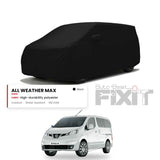
A suitable car cover can help protect parked vehicles from dust, bird droppings and environmental exposure. Make sure the vehicle is clean and dry before covering it to reduce the possibility of surface scratches.
Electrical protection and maintenance equipment
Avoid buying generic electrical protection devices without confirming compatibility. EV charging and high-voltage systems require equipment designed for their intended application.
For routine maintenance, keep the charging connector clean and store portable charging equipment according to the manufacturer's instructions. Do not apply ordinary lubricants, cleaning chemicals or water directly to electrical contacts.
Understanding EV Servicing and Long-Term Ownership
Electric cars generally have fewer routine mechanical service requirements than conventional internal-combustion vehicles. They do not require engine oil changes, spark plug replacements or exhaust-system maintenance.
However, fewer moving parts do not mean maintenance-free ownership.
Your EV may still require inspections of:
- Cabin air filters and air-conditioning systems.
- Brake fluid and braking components.
- Tyres, wheel alignment and suspension.
- Coolant and battery thermal-management components, where applicable.
- 12V auxiliary battery and electrical systems.
- Software updates and vehicle diagnostics.
Service intervals vary by manufacturer and model. Always check your owner's manual rather than following a generic petrol-car servicing schedule.
For the Denza Z9 GT, prospective Indian buyers should also confirm the local service network, battery warranty, charging support and availability of replacement components before making a purchase decision.
An authorised service centre is the appropriate choice for high-voltage battery diagnostics and specialised electrical repairs. A trusted local garage may handle certain routine jobs, such as tyre inspections, only when it has the necessary equipment and understands the vehicle's requirements.
Frequently Asked Questions
How can I increase my electric car battery life?
Follow your manufacturer's charging recommendations, avoid unnecessary exposure to extreme temperatures and use compatible charging equipment. Maintain correct tyre pressure and keep the battery thermal-management system serviced. Avoid repeatedly allowing the battery to reach very low charge levels unless the manufacturer specifically recommends a different procedure.
Is it safe to charge an electric car every day?
Yes, daily charging is generally suitable when you use approved equipment and follow the manufacturer's instructions. You do not need to wait until the battery is almost empty before charging. Set a practical charging limit for everyday use if your vehicle supports this feature.
Does hot weather affect EV battery performance in India?
High temperatures can influence battery efficiency, charging speed and thermal-management requirements. Modern electric vehicles use systems designed to manage battery temperature, but parking in shade and following recommended charging conditions are sensible precautions during Indian summers.
Can I drive an electric car through waterlogged roads during monsoon?
It is best to avoid waterlogged roads, even when your EV has sealed high-voltage components. Water depth and road conditions can be difficult to judge, and flooding can create additional risks. If your vehicle experiences significant water exposure, follow the manufacturer's inspection guidance.
How often should an electric car be serviced?
There is no universal EV servicing interval. It depends on the manufacturer, vehicle design and operating conditions. Follow the maintenance schedule in your owner's manual, including checks for brakes, tyres, filters, coolant systems and electrical components. Do not skip inspections simply because an EV has fewer conventional engine parts.
The Denza Z9 GT's India unveiling highlights how quickly electric mobility is developing, but dependable EV ownership still comes down to sensible charging, preventive maintenance and choosing compatible accessories. Explore the right parts and accessories for your vehicle on AutoBest Fixit, or WhatsApp +91 99999 90622 for fitment assistance.


