













What Electric Car Spare Parts Do You Actually Need?

In this article
Buying an electric vehicle in India means saying goodbye to engine oil, spark plugs, and timing belts. Because they lack a traditional internal combustion engine, many owners assume EVs require zero maintenance. But the truth is, our heavy city traffic, intense summer heat, and punishing monsoon rains still take a massive toll on your vehicle. Knowing which electric car spare parts you actually need to replace can save you from unexpected breakdowns and keep your car running efficiently. Let’s look at the real-world replacements every Indian EV owner will eventually face.
The Reality of EV Maintenance on Indian Roads
Electric cars are incredibly efficient, but they are subject to the same physical laws as petrol and diesel cars. A Tata Nexon EV or an MG ZS EV has a heavy battery pack, making the car significantly heavier than its standard counterpart. This extra curb weight puts more stress on your suspension and tyres when navigating potholes in Mumbai or Bangalore.
Furthermore, while the drivetrain is simplified, an EV is still a highly advanced computer on wheels. It has cooling systems to protect the battery, traditional brakes, and standard 12-volt electronics. Staying on top of these specific electric car spare parts is the secret to getting the maximum range and lifespan out of your vehicle.
5 Electric Car Spare Parts You Will Actually Replace
1. Windshield Wipers for the Monsoon
You might not need an engine air filter, but visibility remains critical during the Indian monsoon. The intense summer heat bakes your rubber wiper blades, making them hard and brittle by the time the rains arrive in June. For a clear, streak-free windshield, you will need to replace them yearly.
Thankfully, wiper blades are standard across both traditional and electric cars. For instance, the Valeo Flat Wiper Blade 24" / 600 mm is an excellent universal fit for the driver's side on many popular models for around ₹578. You can easily pair it with a passenger-side Valeo Flat Wiper Blade 16" / 400 mm to complete the set. Upgrading to flat blades offers slightly better aerodynamics, which is a small but welcome bonus for your EV's aerodynamic efficiency.
2. The Cabin Air Filter (AC Filter)
While an EV does not have an engine air filter to change, it absolutely has a cabin air filter. This filter is responsible for keeping dust, exhaust fumes, and pollen out of your air conditioning system. Given the high pollution levels in cities like Delhi and Kolkata, this filter works overtime.
A clogged cabin filter forces your AC compressor to work harder, which directly drains your high-voltage battery and reduces your driving range. Plan to replace this inexpensive spare part every 10,000 km or once a year, depending on how dusty your daily commute is.
3. The 12-Volt Auxiliary Battery
One of the biggest surprises for new EV owners is discovering that their high-tech electric car still relies on an old-school 12-volt lead-acid battery. This small battery powers the central touchscreen, the central locking, the lights, and the computers that wake up the main high-voltage battery.
Because it operates under constant strain powering all these electronics, the 12V battery typically dies every three to four years. When it fails, your EV will refuse to start, even if the main battery is fully charged. Replacing it is a standard and necessary maintenance task.
4. Tyres and Suspension Components
Electric cars deliver instant torque to the wheels. While this makes them fun to drive, it also scrubs rubber off your tyres much faster than a petrol car would. Combined with the extra 300 to 500 kg of battery weight, EV tyres wear out relatively quickly.
That same weight punishes your suspension on rough Indian roads. You may find yourself needing replacement link rods, suspension bushes, or shock absorbers slightly earlier than you would in a lighter hatchback or SUV. Always ensure your wheels are aligned regularly to prevent uneven tyre wear.
5. Brake Fluid and (Eventually) Brake Pads
EVs use regenerative braking, meaning the electric motor slows the car down and feeds energy back into the battery. Because of this, EV brake pads can easily last 60,000 to 80,000 km. However, the lack of use can cause the brake rotors to develop surface rust in humid, coastal areas like Chennai or Goa.
Even though the pads last longer, your brake fluid still absorbs moisture from the air over time. You must flush and replace the brake fluid every two to three years to maintain safe stopping power in emergencies.
Checklist: What to Inspect on Your EV Every 10,000 km
While you won't be visiting the mechanic for an oil change, you should still perform a routine inspection. Here is a practical checklist of what needs checking every 10,000 km:
- Battery Coolant Levels: EVs use specialized coolant to manage the temperature of the high-voltage battery. Check the reservoir to ensure it is at the recommended level.
- Underbody Inspection: The battery pack is located on the floor of the car. Check the underbody protective shield for deep scrapes or damage from large speed breakers.
- Tyre Tread and Pressure: Inspect your tyres for uneven wear and maintain the exact tyre pressure recommended in your door jamb to maximize your electric range.
- Windshield Washer Fluid: Keep the reservoir topped up with a proper washer fluid mix to clear away highway bugs and monsoon mud.
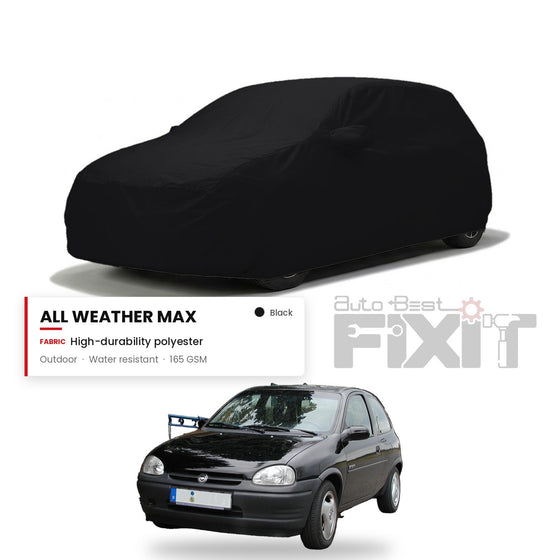
- Exterior Protection: Protecting your EV's paint from harsh sunlight and dust is vital. If you park a premium EV outside, a tailored cover is a smart investment. For example, using an Audi e-tron Waterproof Car Body Cover helps prevent micro-scratches and keeps the cabin slightly cooler when parked in the sun.
Shop parts from this article
 Valeo Flat Wiper Blade 24" / 600 mm - Multi-Car Fit (Tata, Hyundai, Audi & More)₹578View product
 Valeo Flat Wiper Blade 16" / 400 mm - Multi-Car Fit (Hyundai, Maruti, Tata & More)₹371View product
 Audi e-tron Car Body Cover Waterproof, Scratch Proof with Cotton Lining, Mirror & Antenna Pockets₹2,999View product
Prices shown are as on the date of this article. Check the product page for the latest price and fitment for your car.
Frequently Asked Questions
Do electric cars need brake pad replacements?
Yes, but much less frequently than traditional cars. Because electric vehicles rely heavily on regenerative braking to slow down, the physical brake pads are used less often. However, they will eventually wear out or require replacement if they become overly rusted from lack of use in humid climates.
Are spare parts for electric cars more expensive?
It depends on the part. Routine electric car spare parts like wiper blades, cabin filters, and 12V batteries cost the same as they do for regular cars. However, EV-specific parts, such as high-voltage charging cables, specialized low-rolling-resistance tyres, or battery cooling pumps, can be more expensive.
How often should I service my electric car in India?
Most manufacturers recommend bringing your EV in for a general service inspection once a year or every 10,000 km. This visit usually involves rotating the tyres, topping up fluids, checking the suspension, and running a software diagnostic check on the battery health.
Can any local mechanic fix an electric car?
For basic tasks like changing a tyre, replacing a cabin filter, or swapping wiper blades, a local mechanic can easily do the job. However, for any electrical issues, coolant flushes, or suspension work, it is safer to use authorized service centres or specialized EV garages due to the high-voltage risks.
Maintaining an EV doesn't have to be complicated, but ignoring the basics can leave you stranded. Whether you are prepping for a highway road trip or getting ready for the monsoon, having the right parts makes all the difference. Browse the exact fit for your car on AutoBest Fixit today. Delhi NCR customers can enjoy fast delivery within 2–3 days and reliable installation support. If you need help finding the right part for your specific model, just WhatsApp us at +91 99999 90622 for expert fitment advice.


