











Winter Car Care Tips: Protect Your Car from Dew and Moisture

In this article
November brings cooler mornings across much of India, but it also brings overnight dew, damp surfaces and foggy windscreens. Whether you park your Swift in an open apartment compound or leave your Creta outside your home, winter moisture deserves attention. These winter car care tips will help you protect your vehicle's paint, rubber seals, wipers and exposed components. A few simple checks and regular cleaning can prevent avoidable wear and make your morning drives safer and more comfortable.
1. Understand How Morning Dew Affects Your Car
Overnight dew forms when moisture in the air settles on surfaces as temperatures fall. Your car's roof, bonnet, windows and boot may be covered with tiny water droplets by early morning, especially if you park outdoors.
Dew is generally less aggressive than rainwater, but repeated moisture exposure can become a concern when combined with dust, bird droppings, road grime and existing paint damage. Water trapped around joints and neglected areas can also contribute to corrosion over time.
Protect your car's exterior paint
Avoid wiping a dusty, dew-covered car with a dry cloth. Dust particles can create fine scratches when dragged across the paintwork.
Instead, use a clean microfibre cloth and plenty of water when cleaning the surface. If you notice stubborn dirt, wash the affected area rather than rubbing it repeatedly.
Pay attention to:
- The bonnet, roof and boot lid, where dew collects.
- Door edges and panel gaps where moisture can remain.
- Areas around number plates and exterior trim.
- Existing paint chips and scratches that may expose the underlying metal.
Regular washing helps remove accumulated contaminants. However, avoid washing your car in direct afternoon sunlight during warmer winter days, as rapid drying can leave water spots.
2. Choose the Right Car Cover for Winter
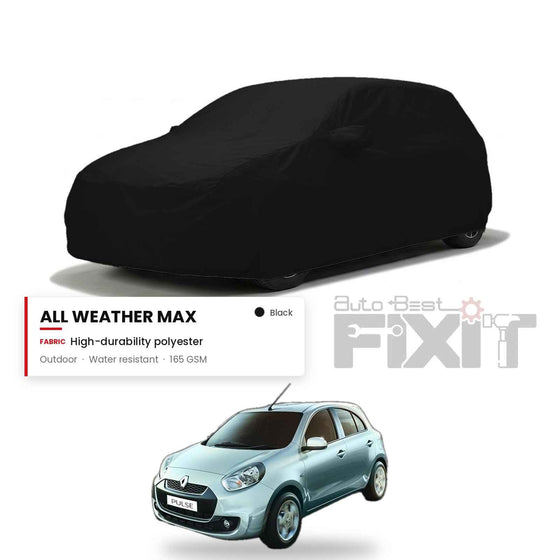
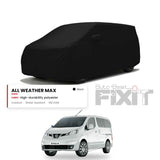
A car cover can help reduce direct exposure to dew, dust, falling leaves and bird droppings. It is particularly useful if you park in an open driveway, residential parking area or roadside location.
However, not every cover is suitable for every situation. A completely waterproof but poorly ventilated cover can trap moisture underneath, especially when the car is covered while wet.
Why breathable covers matter
A breathable, properly fitted car cover allows some air circulation and helps reduce moisture accumulation underneath. Look for a cover designed for outdoor automotive use, with a soft inner surface that is less likely to scratch the paint.
Before covering your vehicle:
- Make sure the exterior is reasonably clean.
- Allow wet surfaces to dry.
- Check that the inside of the cover is dry.
- Secure the cover without pulling it excessively tight.
- Remove it periodically to inspect for trapped moisture.
Never pull a cover across a dusty bonnet or roof. Even a soft inner lining can pick up grit and scratch the paint when dragged.
If you park under trees, remember that a cover also helps protect against falling debris, but it should still be inspected and cleaned regularly.
3. Check Your Wipers Before Foggy Winter Mornings
Wiper blades become particularly important during winter because condensation, light rain, fog and road spray can reduce visibility.
Rubber blades naturally deteriorate with exposure to sunlight, heat and dust. Indian summers can be especially demanding, so a wiper that worked reasonably well during the monsoon may perform poorly by November.
Signs that your wipers need attention
Check both front wiper blades for these warning signs:
- Streaking: Water remains in lines across the windscreen after wiping.
- Skipping: The blade jumps instead of moving smoothly.
- Chattering: You hear an irritating squeaking or juddering sound.
- Uneven cleaning: Certain sections of the windscreen remain wet or dirty.
- Cracked rubber: The wiping edge looks split, hardened or damaged.
Clean the windscreen and rubber edges using a suitable cleaning method. Never operate dry wipers on a dusty windscreen because the friction can damage the rubber and glass.
If replacement is necessary, choose blades according to your vehicle's specified length and connector type. For example, the Valeo Flat Wiper Blade 24-inch / 600 mm is listed as a universal option for most cars. Around ₹578, it is one option to consider after checking the required fitment.
For a shorter blade requirement, the Valeo Wiper Blade 16-inch is another universal-listed option at around ₹205. Always confirm the correct length for your particular vehicle before ordering.
4. Inspect Rubber Seals, Doors and Exposed Components
Your car's rubber weather seals help prevent water, dust and outside air from entering the cabin. These seals are fitted around doors, windows, the boot and other openings.
Over time, heat, sunlight and ageing can make rubber hard or brittle. During colder mornings, existing cracks or poor sealing may become more noticeable.
What to inspect
Open each door and examine the rubber lining around its frame. Look for flattened sections, cracks, loose edges or areas where the rubber has pulled away.
Also inspect:
- Window rubber channels for dirt and damage.
- Boot seals for gaps or signs of water entry.
- Door bottoms for accumulated mud and moisture.
- Visible wiring connections and exposed metal parts for corrosion.
- Battery terminals for corrosion or loose connections.
Clean rubber seals using a soft damp cloth. If necessary, use an automotive rubber conditioner suitable for the material. Avoid applying petroleum-based oils or harsh household chemicals, as these may damage certain rubber compounds.
If your cabin smells damp or you notice water on the floor mats after rain, inspect the door and boot seals rather than assuming the moisture is simply condensation.
5. Follow a Simple Winter Car Maintenance Checklist
Winter preparation does not require complicated servicing. A short inspection every week can help you identify problems before they become inconvenient.
Your November winter-care checklist
Follow these steps, particularly if your car stays outdoors overnight:
- Clean the windscreen: Remove dust and accumulated dirt before using the wipers.
- Inspect wiper blades: Check for cracks, hardened rubber and uneven wiping.
- Check all lights: Test headlights, tail lamps, brake lights, indicators and hazard lights.
- Inspect weather seals: Look around doors, windows and the boot for gaps or damage.
- Check the battery: Look for corrosion around terminals and watch for slow engine cranking.
- Inspect tyres: Check pressure when the tyres are cold and examine the tread condition.
- Check coolant: Ensure the coolant level is between the recommended markings and use the correct manufacturer-specified coolant.
- Clean exterior surfaces: Remove bird droppings, mud and accumulated road grime.
- Check the cabin: Remove damp mats and allow moisture to dry.
- Inspect your car cover: Make sure it is clean, dry and properly ventilated.
Do not ignore lighting and visibility
Winter fog can make driving conditions difficult, particularly on highways and poorly lit roads. Clean headlight lenses and check that every exterior light works properly.
If your headlights appear dim, check the bulbs, electrical connections and lens condition. Use low-beam headlights when appropriate in fog and avoid relying on high beams, which can reflect off the fog and make visibility worse.
Keep your windscreen washer fluid topped up using a suitable automotive product. Do not rely on plain water alone where temperatures may approach freezing.
6. Adjust Your Driving and Parking Habits
Good winter car care is also about how and where you use your vehicle. Parking under a covered area is preferable when available, provided the space is reasonably dry and ventilated.
If you must park outdoors, avoid leaving the vehicle beneath trees where falling branches, leaves, bird droppings and other debris can accumulate. Choose a reasonably level, secure location with good drainage.
Before starting your morning journey, allow yourself a few minutes to prepare the vehicle.
- Remove heavy dew using a suitable microfibre cloth or the vehicle's defogging system.
- Clear all windows and mirrors before driving.
- Check that the windscreen is not fogged on the inside.
- Use the air-conditioning and demisting controls as recommended in your owner's manual.
- Drive gently until the engine reaches its normal operating temperature.
Avoid pouring hot water over a cold windscreen to remove dew or frost. Sudden temperature changes can damage glass, and hot water is unnecessary for normal Indian winter conditions.
Also, do not leave the engine idling for extended periods just to warm it up. Follow your manufacturer's starting and driving recommendations.
Shop parts from this article
 Valeo Flat Wiper Blade 24" / 600 mm - Multi-Car Fit (Tata, Hyundai, Audi & More)₹578View product
 Valeo Wiper Blade 16- Multi-Car Fit (Hyundai, Maruti, Tata & More)₹205View product
 Valeo Wiper Blade 24- Multi-Car Fit (Tata, Hyundai, Audi & More)₹333View product
Prices shown are as on the date of this article. Check the product page for the latest price and fitment for your car.
Frequently Asked Questions
1. Is morning dew harmful to car paint?
Occasional morning dew is not normally a major threat to healthy automotive paint. However, moisture combined with dust, bird droppings and other contaminants can leave marks or contribute to surface deterioration. Clean your car regularly, avoid dry wiping and repair paint chips before exposed metal develops corrosion.
2. Should I cover my car every night in winter?
You can use a car cover if your vehicle is parked outdoors, particularly in areas with heavy dew or dust. Choose a breathable, correctly fitted cover with a soft inner lining. Always ensure the car and cover are dry before covering the vehicle to reduce the possibility of trapped moisture and scratches.
3. How often should I replace car wiper blades in India?
Wiper replacement depends on usage, weather exposure and rubber condition. Many owners need replacements approximately every 6–12 months, although some blades last longer. Inspect them regularly, particularly after the monsoon and before winter. Replace them whenever they streak, skip, chatter or leave sections of the windscreen uncleared.
4. How do I prevent moisture inside my car during winter?
Remove wet footwear, dry floor mats and check door and boot seals for leaks. Keep windows closed during damp weather and use your car's ventilation and demisting system when necessary. If moisture repeatedly collects inside the cabin, investigate possible water entry instead of relying only on air fresheners or absorbent products.
5. Should I service my car before winter in India?
A separate winter service is not essential for every Indian car, but a seasonal inspection is useful. Check the battery, coolant, tyres, brakes, wipers, lights and rubber seals. Follow the service schedule in your owner's manual, whether you visit an authorised service centre or a trusted local garage.
A little preparation in November can make winter driving more comfortable and help protect your vehicle from repeated exposure to dew, dust and moisture. Follow these winter car care tips regularly, inspect worn components promptly and browse the right replacement parts for your vehicle on AutoBest Fixit, or WhatsApp +91 99999 90622 for fitment assistance.


